
Agroforestery
Agroforestery
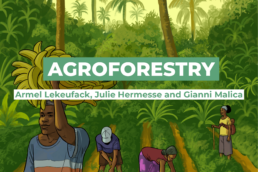
Agroforestry is a practice that long predates its recent con-ceptualization and formal recognition as a scientific disci-pline. it is the practice of combining trees or other ligneous plants with crops and/or livestock on the same plot of land. the goal is to increase agricultural, environmental, and eco-nomic benefits. Agroforestry reflects the way things are done in a given area, as well as the way people, plants, and animals relate to each other.
Habitat
Habitat
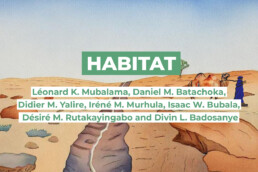
The concept of habitat encompasses ecological, social, and cultural factors. It varies across different geographical and climatic contexts, particularly in Africa. A vital space for species, habitat is influenced by natural and human factors. More recently, climate change has also become a key influence. Lake Kivu is a prime example of this diversity: a natural space, a communication route, a fishing reserve, and a source of energy, but it is also a high-risk area. The changing uses and perceptions of the lake reveal the tensions between economic exploitation and the needs of local communities. They also reveal the tensions between economic exploitation and ecological conservation, highlighting the increasing complexity of the relationship between human societies and natural environments.

Loss and Damage
Loss and Damage
Loss and damage as a concept, refers to the harm caused by anthropogenic climate change that cannot be prevented through mitigation or adaptation. It also designates an emergent field of climate policy addressing these negative impacts. Loss and damage can result from sudden climate related disasters as from more slowly unfolding consequences of global warming. The field of climate policy distinguishes between economic loss and damage and non-economic loss and damage. The debates over how to address loss and damage remain contentious, reflecting tensions between climate justice approaches and technocratic market-based approaches.
Biocultural Diversity
Biocultural Diversity
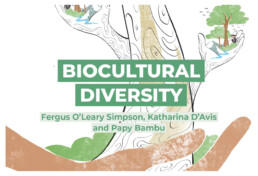
The concept of biocultural diversity examines the interde-pendence of biological and cultural diversity, emphasizing their co-evolution as part of complex socio-ecological sys-tems. Despite its potential for integrating conservation with cultural values, it faces three conceptual confusions: defining the scale of biocultural interactions, recognizing the heteroge-neity of biocultural relationships, and navigating its political uses. We explore these tensions through a case study of the yangambi Biosphere reserve in the Democratic republic of congo, where local communities’ cultural ties to their ances-tral lands within the reserve interact with broader structural circumstances. this case highlights the dynamic, contested nature of biocultural interactions and their implications for conservation.
Climate Change - Conflict Nexus
Climate Change - Conflict Nexus
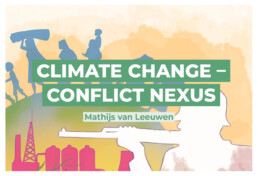
A widely held narrative among policymakers and the media suggests that climate change depletes resources, intensifies competition over land and water, and drives migration, ulti- mately straining resources and sparking conflicts elsewhere. however, the academic debate on whether and how climate change contributes to violent conflict remains unsettled. this contribution explores evolving perspectives in this discus- sion, particularly the argument that climate change does not directly cause violent conflict but rather interacts with other conflict-driving factors, such as state capacity and contested resource and climate governance. it also examines the political implications of framing conflicts as climate-driven and the broader impact of instability on climate resilience.